
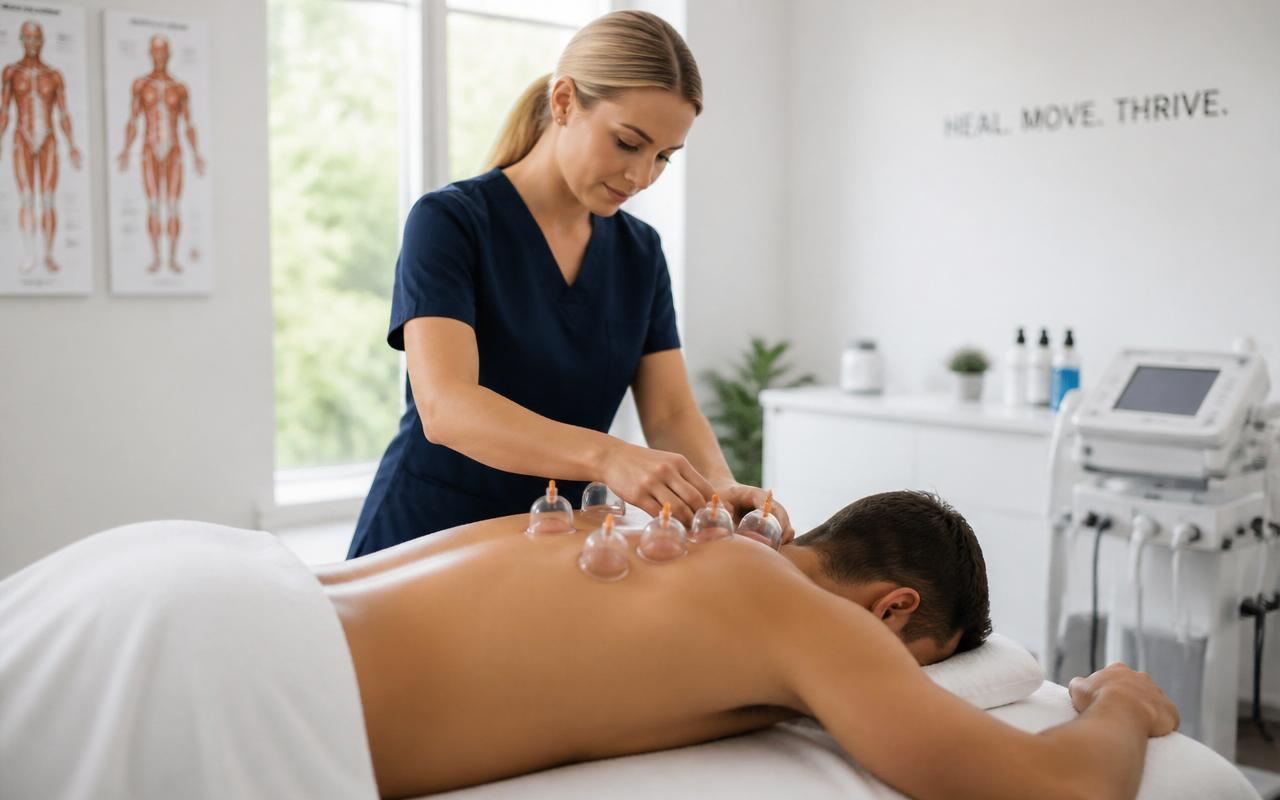
Recovering from an accident or injury rarely follows a straight line. Some days feel better. Other days bring the same stiffness and pain, even with consistent treatment. When that happens, patients often start asking what else can be done to move recovery along, especially when chiropractic care and physical therapy are already part of the plan.
This is where hijama cupping therapy in Pottsville comes in, a treatment more patients are starting to ask about. Cupping isn't a replacement for chiropractic adjustments or physical rehab. In fact, it works alongside them, targeting muscle tension and restricted circulation that often slow healing down.
This guide breaks down how hijama and cupping actually work and why it may be the missing piece in a stalled recovery.
What Are Hijama and Cupping Therapy?
Hijama (also known as wet cupping) is a therapy that uses suction cups placed on the skin to draw blood flow to the surface. It is followed by small and controlled incisions that release a small amount of blood from the area.
Dry cupping follows the same suction principle but without the incisions. It focuses purely on drawing tension as well as tightness up and away from deeper muscle tissue. In both cases, the cup creates negative pressure under the skin, lifting the surface layer and pulling more blood into that specific area.
That increase in circulation is the main reason cupping is used alongside other injury treatments. More blood flow to a tight or injured area can help deliver oxygen and nutrients where they're needed. It also tends to loosen fascia that stays stuck long after the original injury healed on paper but not in practice. For patients already receiving chiropractic adjustments or physical therapy, cupping is typically used as a complementary step - not a standalone treatment.
How Does Hijama and Cupping Therapy Work?
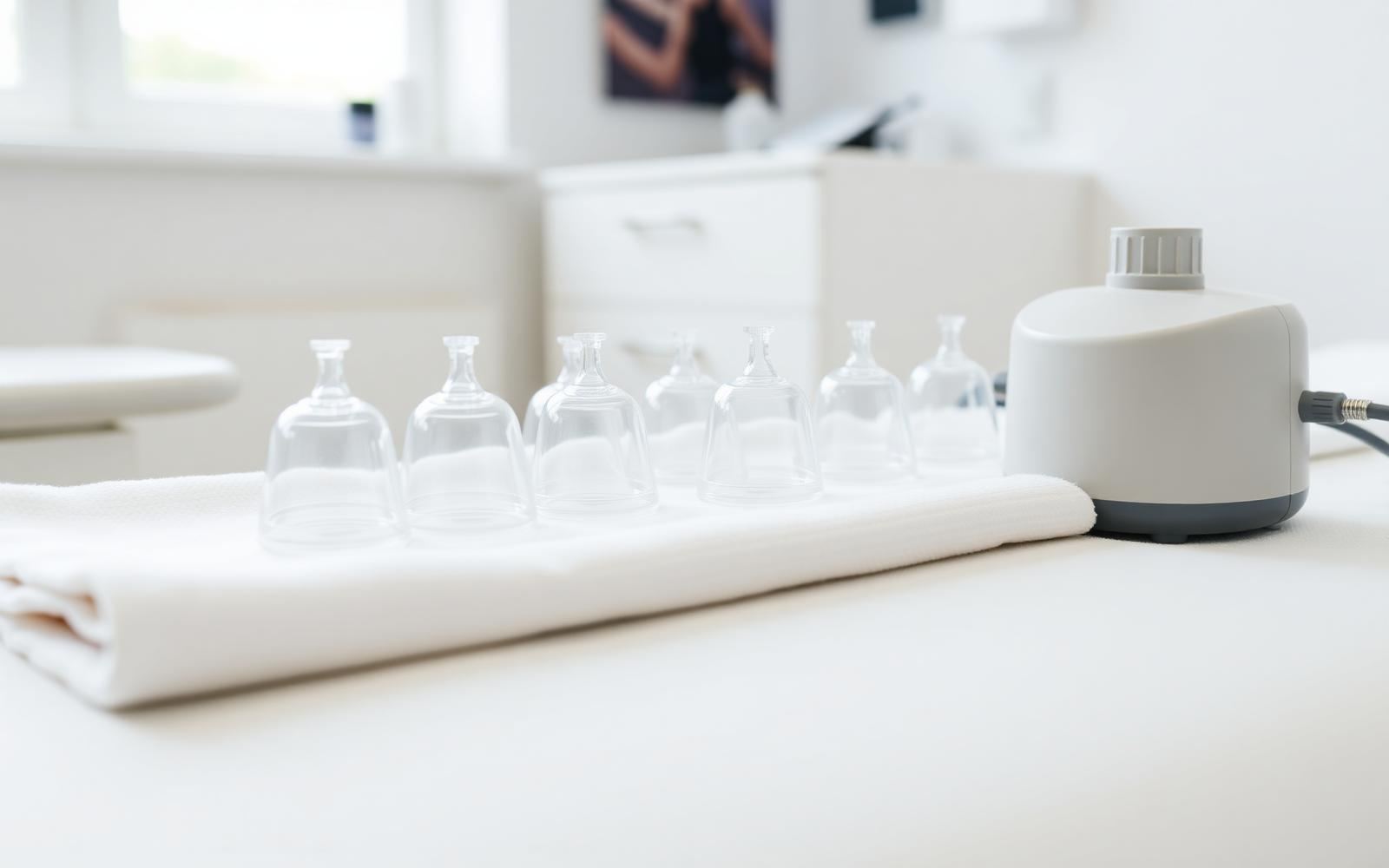
The hijama, or cupping treatment process, starts with a cup, usually glass, silicone, or plastic. It's placed against the skin over the targeted area.
Suction is created in two ways, either by heating the air inside the cup beforehand or using a manual pump, and that suction pulls skin and the tissue underneath it upward into the cup. It stays there for several minutes, pulling more blood into that exact spot the whole time.
Wet cupping adds one more step. After that initial suction period, the practitioner makes a few small, shallow incisions on the skin, then puts the cup back to draw out a small amount of blood. That's the real difference between hijama and standard dry cupping, and it's believed to help clear out stagnant blood and toxins from the treated area. Dry cupping never gets to this part. It stays at the suction stage, using circulation and tissue release alone to loosen things up.
How Does Hijama and Cupping Therapy Support Faster Healing?
Injured tissue only heals as fast as blood can reach it. When an area stays tight or inflamed too long, circulation drops, and recovery stalls right along with it. Cupping forces that circulation back up through suction, which is often why it helps injuries that haven't responded fully to chiropractic care and rehab alone.
Increases blood flow to tissue
Suction pulls blood directly into the treated area, which matters most when an injury has plateaued, with whiplash or soft tissue strain that improved early on but has stayed the same for weeks despite consistent treatment. This circulation often restarts progress that other treatments alone couldn't move forward.
Helps reduce muscle tension
Tight or restricted muscles can make certain rehab exercises harder to do comfortably. When a patient can't move through a stretch or exercise without significant tightness getting in the way, progress in physical therapy for a pain-free life can slow down significantly. Loosening that muscle with cupping beforehand can make those same exercises easier to perform.
Clears soft tissue inflammation faster
Car accidents and workplace injuries almost always leave behind swelling in the surrounding muscle as well as connective tissue. Instead of waiting for that inflammation to reduce on its own, the circulation cupping creates helps move it out of the area directly. This is usually why patients notice they're moving with less stiffness within a day or two.
Reaches muscle and fascia layers
Massage is effective on surface-level tension, but chronic tightness often sits deeper, in fascia and muscle layers that consistent massage sometimes can't fully unwind. Pairing massage therapy for long-term pain with cupping targets that deeper layer directly, which is often why tension that kept returning after massage alone starts to actually resolve.
To put it simply, circulation, tension, inflammation, and deep tissue tightness are the four things that most often keep an injury from fully closing out. Cupping addresses all four at once, which is why it tends to help most when other treatments have already made progress, but recovery has slowed down rather than stopped completely.
What Conditions Can Hijama and Cupping Therapy Help With?
Not every ache responds to cupping the same way. It works best on tight muscles, poor circulation, and inflammation, often lingering after an accident. Patients dealing with any of the following tend to see the most benefit:
- Whiplash and neck strain from car accidents
- Chronic lower back pain
- Sciatica and nerve-related tension
- Shoulder tightness and reduced range of motion
- Soft tissue injuries from workplace incidents or slip-and-falls
- Muscle spasms that haven't fully released with massage or rehab alone
- Tension headaches linked to neck and upper back tightness
- Post-injury stiffness that has plateaued despite ongoing care
What to Expect During a Hijama and Cupping Session in Pottsville?
Plenty of clinics offer hijama and cupping treatment in Pottsville, but most sessions follow roughly the same shape. It starts with a quick check-in by a professional Pottsville chiro on how the injury has been responding so far. That's what actually decides which areas get worked on, not a fixed routine used for every patient.
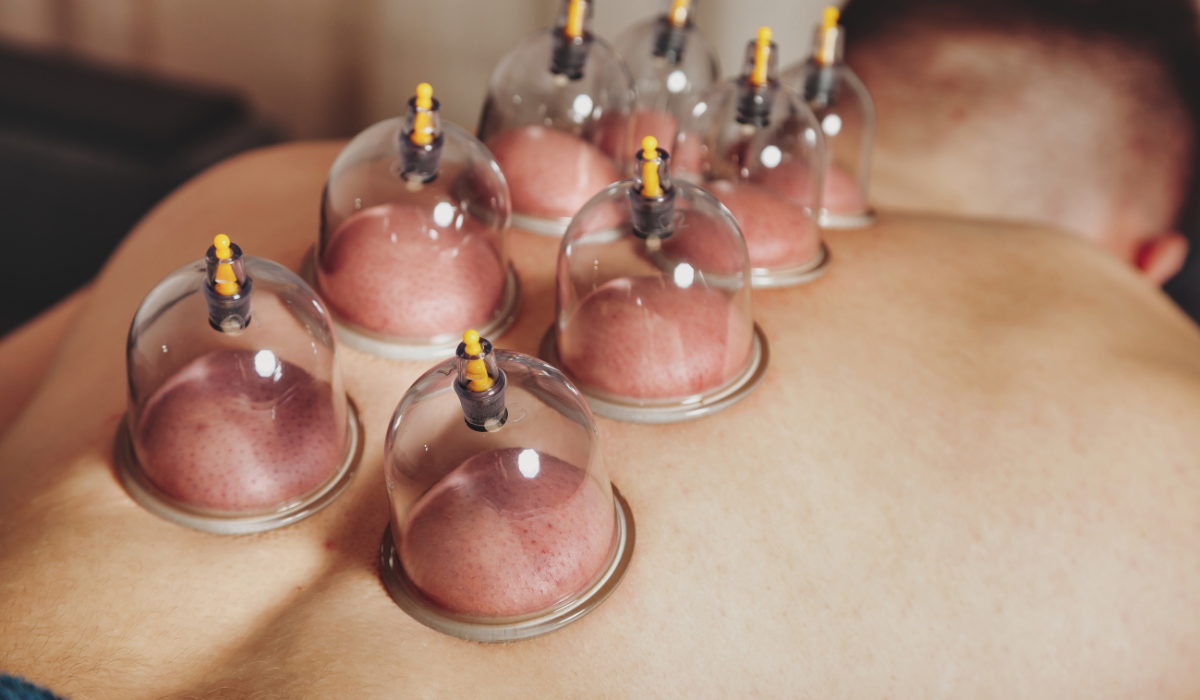
Cups go on over the tight or inflamed area. Suction builds, either through gentle heating or a manual pump. Most people feel a strong pulling sensation as the cup lifts skin upward. Wet cupping adds a step. Small incisions follow the first round of suction, then the cup goes back on briefly to pull out a small amount of blood.
Marks show up once the cups come off: circular, sometimes light bruising. This is normal; it simply means the suction did its job, and those marks fade within a few days. A lot of patients feel looser and move easier right after a session, though the real results build up over several visits, not just one.
Conclusion
An injury that's stopped improving usually needs something added to the plan, not more time waiting it out. This is because real recovery usually comes from a few things working together: circulation, tension release, reduced inflammation, chiropractic adjustments, rehab, and massage. Each piece closes a gap the others leave open.
If you're recovering from a car accident, workplace injury, or slip-and-fall, Complete Injury Care offers same-day appointments and works directly with your attorney. Schedule your free consultation and get a treatment plan built around your specific injury.
Frequently Asked Questions (FAQs)
1. Is hijama cupping therapy safe?
Yes, when performed by a trained practitioner using sterile equipment. Mild bruising or marks are normal and typically fade within a few days.
2. Does cupping hurt?
Most patients feel a strong pulling sensation rather than pain. If wet cupping is used, the small incisions feel more like a brief pinch than significant discomfort.
3. How many sessions are needed to see results?
Some patients notice looser muscles and easier movement after one session, but consistent improvement typically builds over several visits.
4. Can cupping be combined with chiropractic care or physical therapy?
Yes. Cupping is often used alongside chiropractic adjustments and rehab exercises to address muscle tension and circulation that those treatments alone may not fully resolve.