
Workplace injuries are inevitable. They can affect your mobility, independence, and quality of living as well. If you live in a place where injuries happen often, you should focus not only on treatment but also on preventing them.
However, many people seek help only when the injury becomes too severe to ignore. By the time you realize, the injury has already worsened. In most cases, inflammation starts to build up, pain increases, and the affected area becomes harder to move. If left unattended, even a small injury can interfere with your daily routine and take much longer to heal. That’s why it’s important to address injuries early and follow proper care steps before complications develop.
This blog will walk you through 5 effective pain management solutions for workplace injury recovery.
Five Common Workplace Injuries
Injuries aren’t limited to construction sites; they can happen in any environment. The following are some types of workplace injuries that commonly occur.

Strains & Sprains: Strains happen when the tissues that connect muscles to bones are stretched too far or torn. Sprains occur when ligaments (the strong bands of tissue connecting bones at a joint) are stretched or torn. It causes pain, swelling, as well as limits movement in the affected area.
Fractures: A fracture happens when a bone cracks or breaks. It can cause severe pain, swelling, and trouble moving the injured part. The bone may look out of place in serious cases.
Joint Injuries: Joint injuries can occur in knees, shoulders, elbows, and other movable joints. These injuries occur due to overuse, sudden twists, or impact at work. Plus, they cause pain, swelling, and stiffness.
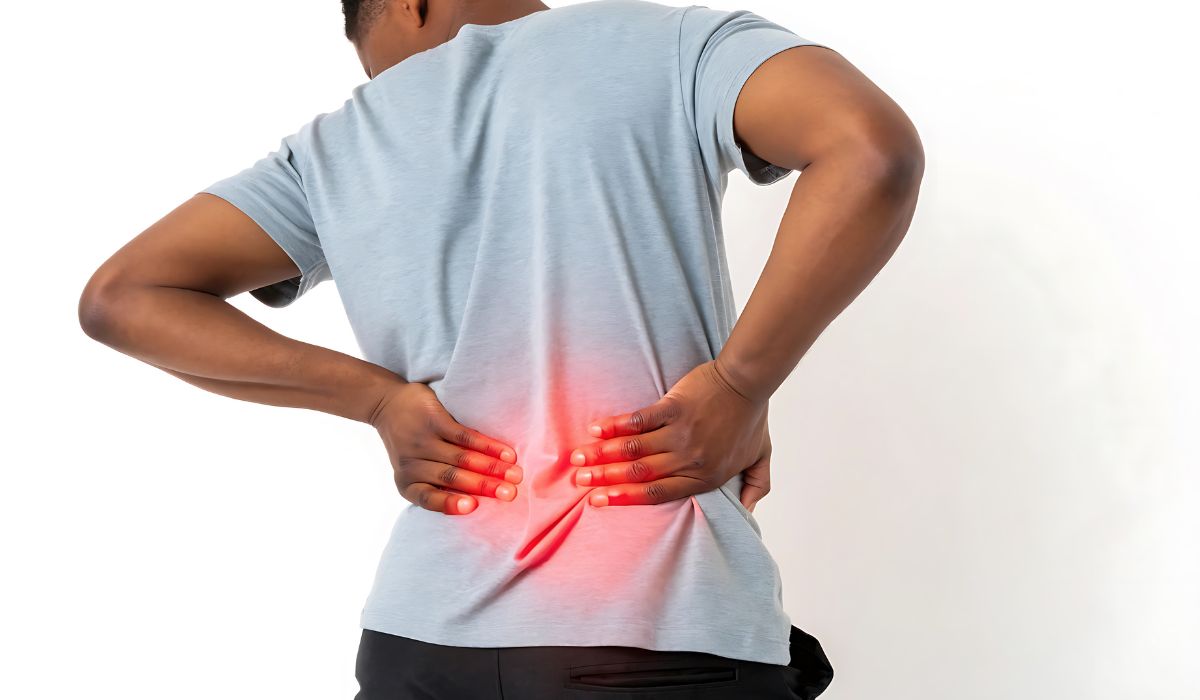
Back & Spine Injuries: Back injuries are common in physically demanding work. It can range from minor strains and sprains to serious spinal problems. They can be painful, limit movement, as well as make daily activities challenging.
How We Can Help You Recover Faster
You can actively support your body’s healing process while minimizing discomfort with pain management techniques, such as therapy, chiropractic care, and heat/cold treatment.
Reduce Pain & Inflammation: Pain and inflammation are natural response to injury. They can delay healing as well as restrict movement if prolonged. Pain management (like specific exercises and chiropractic adjustments) can relieve pain while treating the underlying causes.
Faster Recovery: Controlling pain effectively helps people recover faster and get back to normal activities. It can accelerate the workplace injury recovery timeline and help you return to your normal activities safely and confidently.
Prevent Long-Term Complications: An untreated injury can lead to chronic problems (for example, joint stiffness, muscle weakness, nerve damage, or injuries in other parts of the body caused by compensation). Proactive pain management minimizes these risks by treating the injury early and maintaining good movement patterns.
Types of Pain Management Solutions for Workplace Injuries
Given below are some treatment options to consider if you’re in Pottsville, PA and looking for ways to manage your pain.
Physical Rehabilitation
Physical therapy helps you regain movement, strength, and function after an injury. Employees can gradually and safely return to their daily tasks and work routines with guided exercises and mobility training.
Chiropractic Care
Chiropractic care is especially helpful for injuries that involve the spine, neck, and joints. It uses gentle hands-on adjustments. This helps in improving movement as well as relieving pain, all without the need for invasive treatments.
Targeted Exercises
Targeted exercises are designed to strengthen the muscles directly affected by the injury. They help improve stability. They also help support weakened areas as well as speed up healing by rebuilding strength where your body needs it most.
Massage Therapy
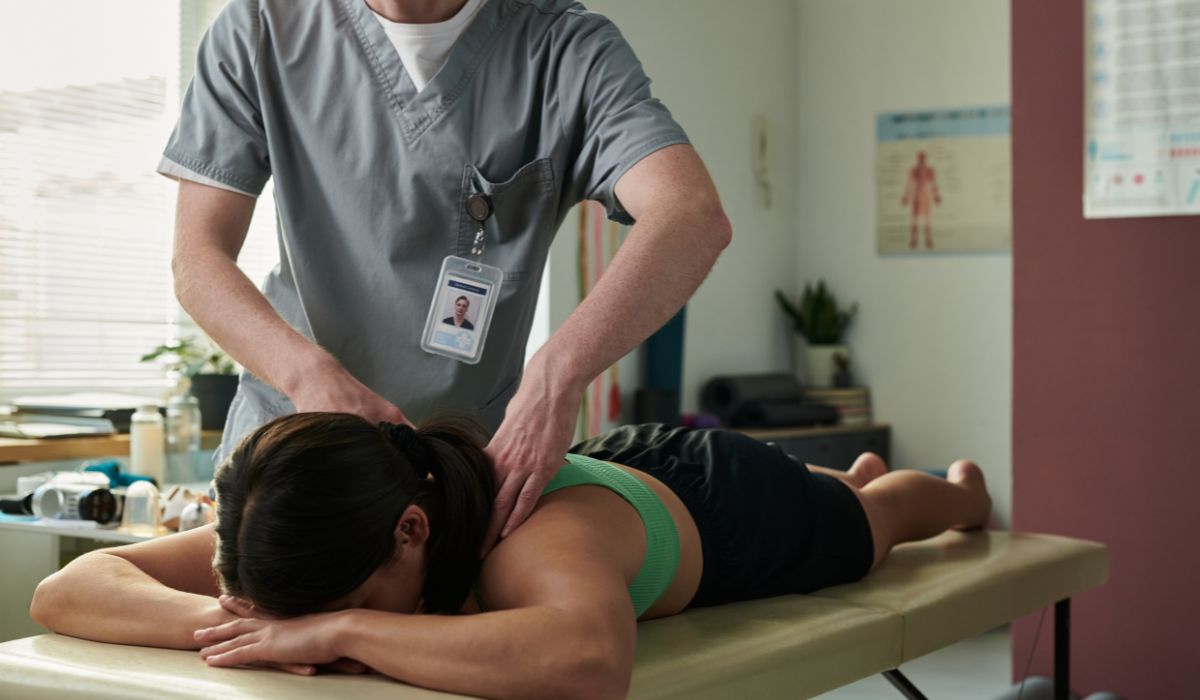 Massage therapy relieves muscle tension, pain, and inflammation caused by work-related stress. It improves circulation, aids soft-tissue recovery, and provides relief for repetitive-motion or postural injuries.
Physical Medicine & Rehabilitation
This approach involves a specialist that evaluates the injury and your overall physical function as well as create a personalized treatment plan. Care may include medical interventions, physical therapy, and activity planning.
Complete Injury Care is a premier rehab, chiropractic, and pain management center where you can get the best possible treatment for your problems.
Complete Injury Care for Workplace Injury

We, at Complete Injury Care, meet many individuals at a stage when bending, lifting, or even sitting becomes uncomfortable. This is why we exist to help them move and live independently again.
We start by understanding what the injury has changed. Once we see how the injury shows up in real movement, we begin suitable treatment with one outcome in mind, and it is to make everyday chores seamless again. Workplace injury recovery isn’t about lying down, relying on medication alone, or waiting for pain to disappear on its own.
This is why we use practical steps that includes hands-on chiropractic treatment, targeted physical rehab, and exercises that you can continue at home. The best part is we stay involved through that process, not just treating but helping you adjust habits, posture, lifting mechanics, and movement patterns so the injury doesn’t return.
Conclusion
Workplace injuries rarely resolve themselves without structured recovery. Pain can linger, mobility can decline, and everyday activities begin to demand more effort than they should. The body can adapt in ways that aren’t healthy when treatment is delayed, often causing extra pain and discomfort.
At Complete Injury Care, we approach pain management with that mindset. We examine how the injury affects movement, what structural changes may be present, and how the body responds under physical stress. We take a close look at how the injury affects movement, any changes in the body’s structure, and how it reacts to physical stress. When workplace injuries are treated promptly with the right care and support, healing is faster and smoother. This helps people get back to their daily lives with confidence and peace of mind.